
Your Move Lowestoft Local Area Guide


Why move to Lowestoft?
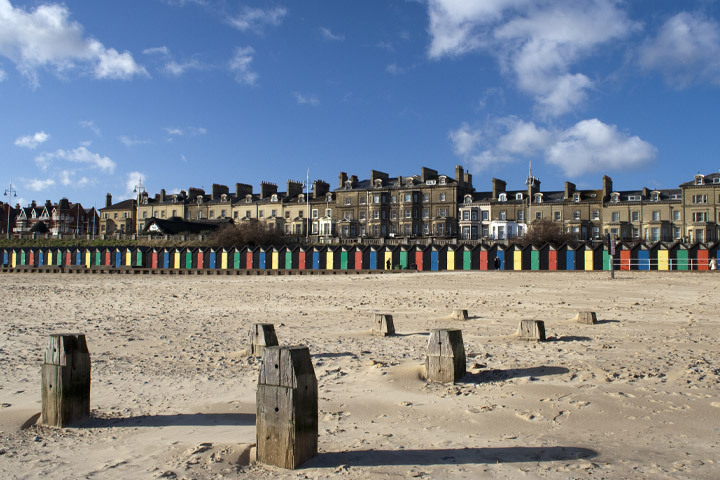
Lowestoft is a coastal town in Suffolk, positioned on the North Sea and forming an important residential and employment centre in the east of the county. The town has a long maritime and industrial heritage, with development shaped by its port, waterways and rail connections. Today, Lowestoft combines established neighbourhoods with ongoing regeneration and infrastructure investment, supporting long-term residential living rather than seasonal activity. Its position within the wider coastal and Broads area provides access to open space while maintaining everyday town-centre services.
Lowestoft property market
Lowestoft has a broad and established property market. Housing includes traditional terraced streets, Victorian and Edwardian homes, inter-war family properties, post-war estates and newer residential developments. Suburbs such as Carlton Colville, Gunton, Pakefield and Oulton Broad provide further choice, offering a mix of family housing and quieter residential settings. Demand comes from owner-occupiers, renters and downsizers, supported by affordability relative to larger regional centres and a steady supply of varied housing stock.

Average property price in Lowestoft

Average rental price in Lowestoft
Transport links in Lowestoft
Transport links support regional connectivity rather than long-distance commuting. Lowestoft railway station provides services connecting the town with Norwich and Ipswich, linking into the wider rail network. Road routes connect Lowestoft with Great Yarmouth and the rest of Suffolk, supporting commuting and local travel. Bus services operate across the town and to surrounding villages, making everyday movement practical. The port and waterways around Lake Lothing also continue to influence local infrastructure and access.
Education in Lowestoft
Education provision supports long-term family living in Lowestoft. The town offers access to nurseries, primary schools and secondary schools serving different neighbourhoods and surrounding suburbs. Additional education and training opportunities are available locally and in nearby towns, supported by public transport links. This range of provision allows families to remain based in Lowestoft as educational needs develop over time.
Amenities and Leisure
Lowestoft provides a wide range of everyday amenities. Retail, services and community facilities are centred around the town centre and suburban shopping areas, supporting daily needs without reliance on neighbouring towns. Green space and outdoor areas are accessible across the town, with parks, coastal paths and waterways forming part of everyday life. Leisure activity tends to be locally focused, supporting a year-round residential population rather than short-term visitors.
Local Character
Lowestoft has a practical and varied character shaped by its size, coastal location and industrial past. Different neighbourhoods have distinct identities, ranging from central residential streets to quieter suburban areas. The town feels active and functional during the day, with a strong sense of local community across residential areas. While coastal in setting, day-to-day life is centred around work, schools and local services rather than tourism.
Who buys in Lowestoft?
Lowestoft attracts a broad and stable buyer profile. First-time buyers are drawn by housing availability and relative value, while families value space, schools and local amenities. Downsizers are also well represented, particularly in bungalow-style housing and suburban areas. Buyers relocating from other parts of East Anglia are common, often seeking coastal living that still supports everyday practicality. Overall, Lowestoft appeals to those looking for long-term residential living in a large Suffolk coastal town.


