
Your Move Darlington Local Area Guide


Why move to Darlington?
Darlington is a large town in County Durham, positioned between Durham and the North Yorkshire border and forming part of the wider Tees Valley area. It offers a practical and well-established place to live, combining a traditional town centre with a range of residential neighbourhoods and access to surrounding dales countryside. Regeneration around Darlington town centre and the railway quarter has focused on public space, housing and transport connectivity, supporting the town’s role as a year-round place to live and work.
Darlington property market
The Darlington property market is broad and varied, reflecting the town’s size and layout. Housing includes Victorian and Edwardian terraces close to the centre, family homes in established areas such as West Park, Hummersknott and Eastbourne, bungalows across suburban districts, and modern residential developments on the outskirts. These neighbourhoods appeal to long-term owner-occupiers, while central areas and locations close to transport links support steady rental demand. Buyer interest remains wide, underpinned by housing choice, value and local employment.
Average property price in Darlington
Average rental price in Darlington
Transport links in Darlington
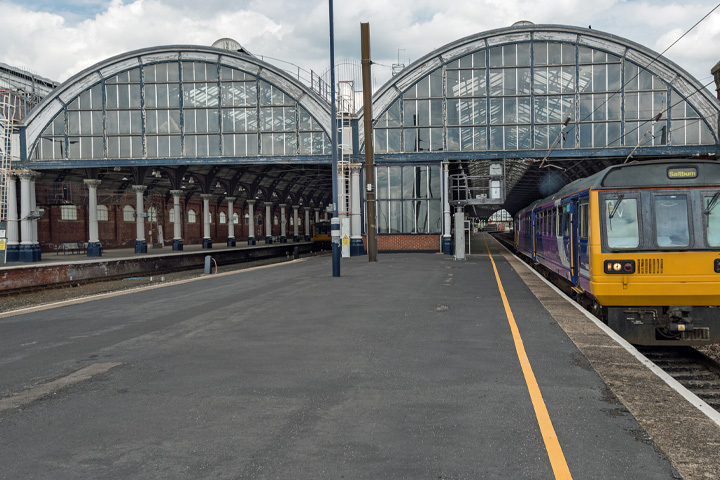
Darlington benefits from strong transport connections at both regional and national level. Darlington railway station sits on the East Coast Main Line, providing direct services to Newcastle, York and London. The town is also conveniently located approximately 7 miles from Teesside International Airport, which offers direct flights to destinations across Europe and Ireland. Road access is also a key strength, with the A1(M) close by supporting north south travel across the region. Local bus services operate throughout the town, linking residential areas with the town centre, employment locations and education facilities.
Education in Darlington
Education provision in Darlington supports a wide range of households. The town offers access to nurseries, primary schools and secondary schools across its residential areas. Further education options are also available locally, contributing to employment and skills development. This mix makes Darlington suitable for families, professionals and longer-term residents planning to remain within the area.
Amenities and Leisure
Retail and services in Darlington are centred around the town centre, including areas such as Skinnergate and Cornmill, providing everyday shopping and community facilities. South Park is a major local feature, offering open space and walking routes close to the centre, while additional parks, recreation areas, several golf courses and 5 Star Hotels are spread across the town and surrounding villages. Leisure centres, sports facilities and cultural venues support day-to-day living, with wider countryside and market towns accessible nearby
Local Character
Darlington has a settled and clearly defined character shaped by its historic core, being considered the birthplace of the railway in 1825, with varied residential neighbourhoods and working-town identity. Central areas feel active and service-led, while districts such as West Park, Eastbourne and Haughton offer quieter, more residential environments. There are a host of charming villages in the outskirts of the town. The town maintains a strong sense of independence, while also benefiting from close links to neighbouring towns across County Durham and Tees Valley.
Who buys in Darlington?
Darlington attracts a broad and balanced buyer profile. Families are drawn by housing choice, schools and access to parks, while first-time buyers value affordability and transport connectivity. Professionals working across the North East support rental demand, alongside longer-term owner-occupiers in established neighbourhoods. Overall, Darlington appeals to buyers seeking practicality, connectivity and long-term liveability in a well-connected County Durham town.


