
Your Move Leeds Local Area Guide


Why move to Leeds?
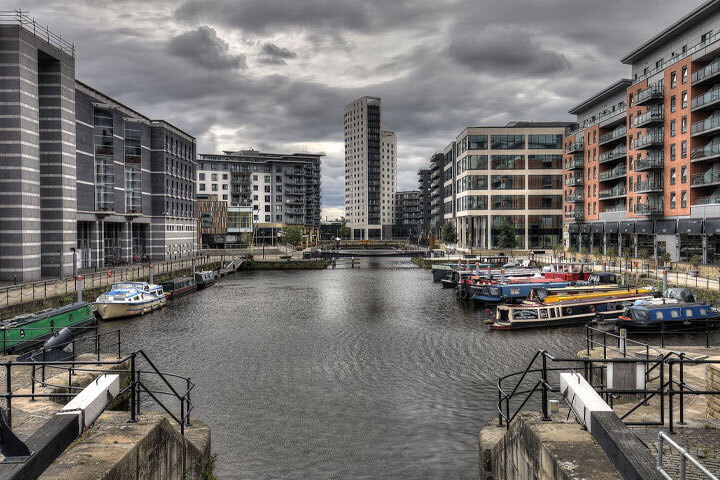
Leeds is one of the UK’s largest cities and serves as the main commercial, financial and cultural centre of West Yorkshire. Its growth has been shaped by industry, education and infrastructure, and it continues to attract long-term investment across housing, transport and employment. Leeds offers a broad range of neighbourhoods, from urban living close to the city centre to quieter residential areas across the outskirts. Its scale, economic strength and connectivity combine to support a lifestyle that balances city opportunity with established community living.
Leeds property market
Leeds has one of the most diverse property markets in the region. Housing includes traditional back-to-back terraces, Victorian and inter-war family homes, modern city-centre apartments and larger detached properties in suburban neighbourhoods. Areas across east Leeds, including LS14 and LS15 postcodes, offer a mix of established housing and more recent development. Demand comes from owner-occupiers, families, professionals and renters, supported by Leeds’ universities, employment base and continuing population growth.
Average property price in Leeds
Average rental price in Leeds
Transport links in Leeds
Leeds benefits from strong regional and national transport connections. Leeds railway station is one of the busiest in the country, providing direct services to London, Manchester, Sheffield and other major cities. Road access is well developed, with the M1, M62 and A64 supporting travel across Yorkshire and beyond. Local bus networks operate extensively across the city and surrounding areas, linking residential neighbourhoods with employment centres. Leeds Bradford Airport provides domestic and international flight options within easy reach of the city.
Education in Leeds
Education is a major factor in Leeds’ residential appeal. The city has a wide range of nurseries, primary schools and secondary schools serving its neighbourhoods, supporting long-term family living. Leeds is also home to several universities and higher education institutions, which contribute significantly to employment, research activity and rental demand. Further education and training facilities are well established across the city, allowing residents to remain local throughout different stages of education.
Amenities and Leisure
Leeds provides a comprehensive range of everyday amenities. Retail and services are concentrated in the city centre and district hubs, with additional facilities available across suburban areas. Green space is an important part of life in Leeds, with parks, river corridors and access to surrounding countryside offering opportunities for walking and outdoor activity. Leisure and sports provision is widespread, supporting both organised activity and informal recreation across the city.
Local Character
Leeds has a confident and varied character shaped by its size and history. Central areas feel active and fast-moving, while residential neighbourhoods across the city offer more defined community identities. East Leeds, in particular, combines established housing with regeneration and practical commuter links. Leeds balances its role as a major city with a strong sense of local identity, allowing residents to experience urban living without losing neighbourhood connection.
Who buys in Leeds?
Leeds attracts a broad and balanced buyer profile. First-time buyers and renters are active across inner-city and suburban areas, while families are drawn by housing choice, schools and employment opportunities. Professionals working locally or commuting further afield value the city’s transport connections. Downsizers and relocating buyers are also well represented, often seeking long-term stability within established neighbourhoods. Overall, Leeds appeals to those looking for sustainable city living with strong economic foundations.


