
Your Move Plymouth Local Area Guide


Why move to Plymouth?
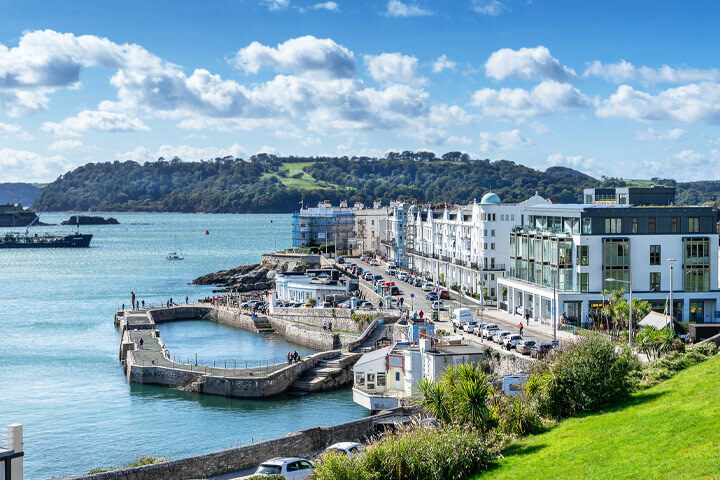
Plymouth is a coastal city in Devon with a strong maritime heritage and a diverse residential landscape. It combines city living with access to the sea, surrounding countryside and a wide range of amenities, supporting both work and lifestyle needs. Plymouth appeals to those looking for a practical urban environment with long-term housing options, supported by ongoing development and its role as a regional centre in the South West.
Plymouth property market
The property market in Plymouth is broad and varied. Housing includes period terraces in established neighbourhoods, post-war family homes, modern developments and a growing number of apartments closer to the waterfront and city centre. Different areas cater to different buyer needs, from central locations offering convenience to outer suburbs providing more space. Demand remains steady, supported by local owner-occupiers, families, renters and buyers relocating from elsewhere in the region.

Average property price in Plymouth
Average rental price in Plymouth
Transport links in Plymouth
Plymouth benefits from strong transport links within the South West and beyond. Plymouth station provides regular rail services to Exeter, Bristol and London, making the city workable for longer-distance travel and flexible commuting. Road access via the A38 connects Plymouth to Cornwall and the wider motorway network. Local bus services support travel across the city and into surrounding areas, making day-to-day movement straightforward.
Education in Plymouth
Education is a key part of Plymouth’s role as a regional city. The area offers access to a wide range of nurseries, primary schools and secondary schools serving local communities. Further and higher education provision is also available within the city, contributing to employment opportunities and housing demand. This breadth of education makes Plymouth suitable for families, students and longer-term residents.
Amenities and Leisure
Plymouth provides extensive amenities to support everyday living. The city centre offers retail, services and leisure facilities, while neighbourhood shopping areas support local needs. Parks, waterfront spaces and coastal walking routes play an important role in leisure time, alongside sports facilities and cultural venues. The wider Devon and Cornish countryside is also easily accessible, expanding lifestyle options beyond the city.
Local Character
Plymouth has a varied and dynamic character shaped by its size, history and diverse neighbourhoods. Some areas feel busy and urban, particularly close to the centre and waterfront, while residential districts offer calmer suburban environments. Its strong maritime identity and role as a working city give Plymouth a practical, lived-in feel rather than a seasonal or visitor-focused atmosphere.
Who buys in Plymouth?
Plymouth attracts a broad buyer profile. Families value housing choice, education and amenities, while professionals are drawn by employment opportunities and transport links. First-time buyers and renters form a significant part of the market, alongside longer-term owner-occupiers and buyers relocating for lifestyle reasons. Overall, Plymouth appeals to those seeking space, variety and long-term liveability within a South West city.


