Your Move Wolverhampton Local Area Guide


Why live Wolverhampton?
Wolverhampton is a major West Midlands city known for its strong cultural identity, excellent connectivity and mix of urban convenience with nearby countryside. It offers historic Victorian architecture, modern redeveloped areas and leafy suburbs. Residents value its affordability, diverse communities, active arts scene and access to parks such as West Park and East Park.
Wolverhampton property market
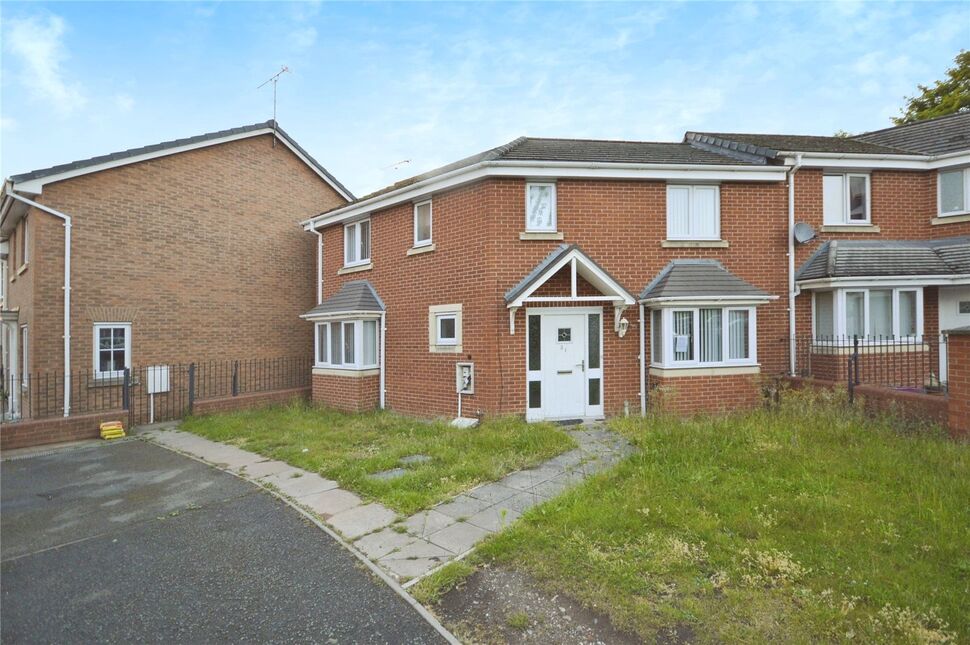
Wolverhampton’s housing market includes Victorian terraces, 20th-century semis, modern estates and high-quality suburban homes in areas such as Tettenhall, Penn, Compton and Merry Hill. The city offers strong value compared with nearby Birmingham, with a wide choice for first-time buyers, families and downsizers. Regeneration across the city centre continues to improve residential appeal.
Transport links in Wolverhampton
Wolverhampton benefits from excellent regional and national transport links. The main station provides direct rail services to Birmingham, London, Manchester and Liverpool. The city offers strong road access via the M6, M5 and M54, with convenient bus and tram services across the wider West Midlands. These connections make Wolverhampton a practical base for commuters.
Education in Wolverhampton
Education provision is broad, covering a range of primary, secondary and specialist schools. Strong performers include many Good and Outstanding rated options across the city. Wolverhampton is also home to the University of Wolverhampton, contributing to local employment, culture and educational choice.
Amenities and Leisure
Wolverhampton offers a vibrant mix of shopping centres, cafés, restaurants and entertainment venues. Key attractions include Wolverhampton Grand Theatre, Wolverhampton Art Gallery, the Molineux Stadium and major parks such as West Park. The city hosts annual cultural festivals and community events, while nearby countryside and canals offer cycling and walking routes.
Local Character
Wolverhampton has a warm, community-led identity shaped by its industrial heritage and multicultural population. Suburbs such as Tettenhall and Finchfield offer a village feel, while central areas provide modern urban living. Independent shops, markets, arts organisations and community groups support a strong local culture.
What’s the local Wolverhampton community like?
Residents describe the city as welcoming, down-to-earth and diverse. Neighbourhood celebrations, community centres, sports clubs and cultural events help new and long-term residents connect. The sense of belonging is strong across different suburbs, each with its own identity.
Employment
Wolverhampton offers employment in public services, healthcare, education, retail, manufacturing and creative industries. Major employers include the University of Wolverhampton, local NHS trusts and businesses across the Black Country. Proximity to Birmingham and strong transport links broaden opportunities for commuters.
Food scene
The city offers a wide range of food choices including traditional pubs, international restaurants, cafés and contemporary dining. Areas such as the city centre and Tettenhall provide popular eateries, with further options in neighbouring towns and retail parks.
Who buys in Wolverhampton?
Wolverhampton attracts first-time buyers seeking affordability, families wanting established schools and green space, commuters using rail and motorway links, and young professionals looking for modern living near the city centre. Its varied property stock and strong value make it appealing across all buyer groups.